


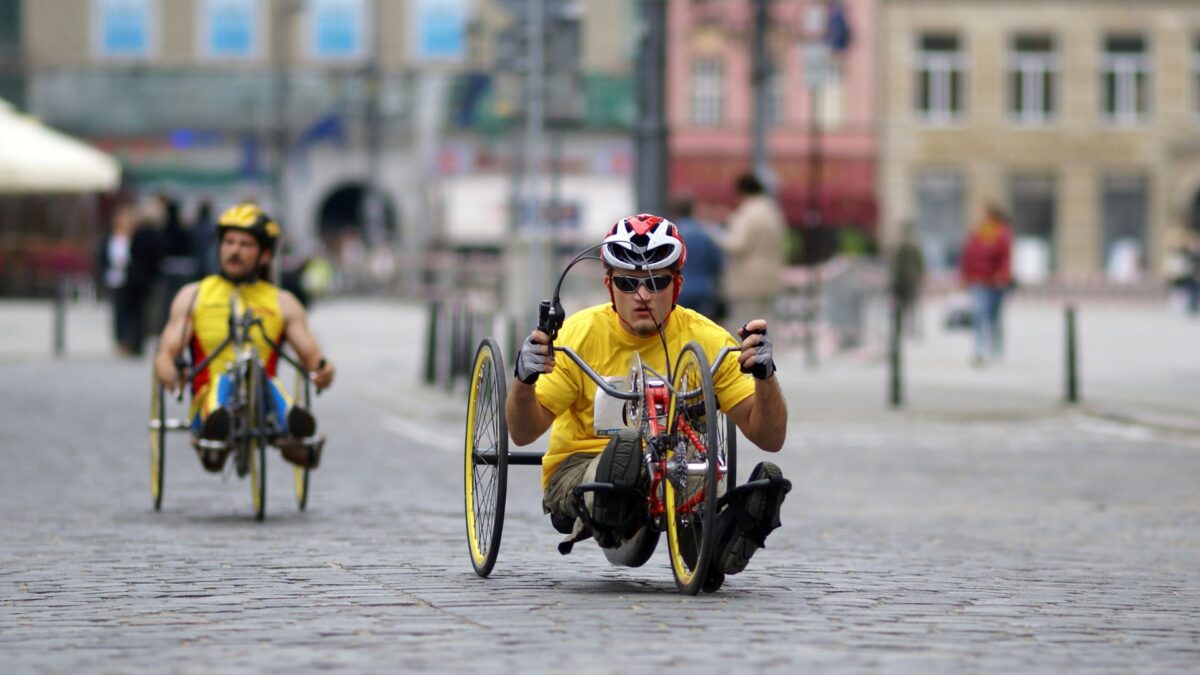
Accessible Cycling Benefits for People With Disabilities
November 27, 2025
Cycling offers freedom—the wind in your face, the rhythm of motion, and the thrill of covering miles under your own power. But for many people living with mobility challenges, that freedom has long felt out of reach. Fortunately, that’s changing. As accessible cycling technologies evolve, more individuals with disabilities are discovering not just the joy of riding, but a long list of mental, physical, and emotional benefits.
Freedom Ryder, an innovator in adaptive cycling since 1984, has helped redefine what’s possible for people with mobility limitations. If you’re exploring cycling for yourself or a loved one with a disability, this guide will help you understand how—and why—it can be a transformative experience.
What Is Accessible Cycling?
Accessible cycling refers to bikes and trikes specifically engineered to meet the needs of people with limited mobility, strength, or balance. These models differ from traditional bicycles and are often powered by hands instead of feet, built with extra stability, and customized for comfort and control.
Handcycles, like those from Freedom Ryder, are one of the most impactful examples. With adaptive designs such as low seating positions, ergonomic hand cranks, and even electric assist options, people living with spinal cord injuries, amputations, or neurological conditions can actively ride again—independently.
Physical Health Benefits of Accessible Cycling
Cycling may be low-impact, but it packs a powerful punch when it comes to overall fitness. For people with disabilities, it’s an accessible way to improve physical health without putting strain on joints or requiring full-body mobility.
Improves Cardiovascular Health
Handcycling offers aerobic exercise that strengthens the heart and lungs. Maintaining cardiovascular health is crucial for individuals with limited activity levels, as it helps prevent complications like diabetes, heart disease, and high blood pressure.
Builds Upper Body and Core Strength
Unlike traditional bikes, handcycles rely on upper body strength. Regular riding helps develop muscle tone in the arms, shoulders, chest, and even the core—critical areas for people with reduced lower-body function.
Aids in Flexibility and Joint Mobility
Through repetitive motion and guided resistance, adaptive cycling supports range of motion and overall joint flexibility. For individuals susceptible to muscle contractures or stiffness, this kind of movement can offer daily therapeutic value.
Weight Management and Metabolism Support
Because exercise burns energy, cycling also contributes to maintaining a healthy weight. For wheelchair users or those with mobility impairments, who may have fewer exercise options, this benefit is especially significant.
Emotional and Mental Health Gains From Handcycling
The psychological benefits of physical activity are well documented, but they become even more impactful when viewed through the lens of accessibility. Adaptive cycling provides more than movement—it offers autonomy.
Increases Confidence and Independence
Learning to ride an accessible handcycle—especially for the first time—can be deeply empowering. Riders go from relying on others for mobility to navigating their own route, at their pace. This autonomy boosts confidence and dignity.
Reduces Anxiety and Depression
Like all exercise, handcycling promotes the release of endorphins—those “feel good” chemicals that help regulate mood and reduce stress. For people dealing with anxiety, depression, or isolation, cycling presents an engaging, therapeutic outlet.
Reconnects Riders With Outdoor Environments
Being outside matters. Studies show that access to nature can improve mental clarity and emotional balance. Handcycling allows users to engage with trails, parks, and bike paths in a meaningful, social, and immersive way.
Social and Recreational Benefits for Disabled Riders
One of the most overlooked aspects of adaptive cycling is its ability to bring people together. Whether it’s a local handcycle club or a spontaneous ride with friends, inclusive cycling fosters a sense of belonging.
Builds Community
Ride groups and recreational events are more accessible than ever. Many communities now host adaptive cycling events, group rides, or club meetups tailored to people with disabilities.
Encourages Family & Peer Interaction
Handcycling enables participants to ride alongside able-bodied friends or family members, bridging the mobility gap and enabling shared memories and adventures.
Opens Doors to Competitive & Endurance Challenges
For those with a competitive edge, adaptive cycling isn’t just about recreation—it’s a sport. Some Freedom Ryder handcyclists have set world records in distance, speed, and endurance. That potential to compete creates new pathways to achievement.
Why Freedom Ryder Stands Out in Adaptive Cycling
Founded in 1984, Freedom Ryder was born from innovation and shaped by real rider feedback.
As pioneers of the modern handcycle, they introduced a concept that revolutionized accessible cycling: a body-lean steering system designed for performance and fun—not just basic functionality.
Lean-To-Steer Design: A Game Changer
Where many adaptive bikes offer rigid or fork-steering systems, Freedom Ryder’s lean-to-steer system mimics the feel of skiing or motorcycling. It’s intuitive and precise, making cornering smoother, especially at high speeds. And perhaps more importantly, it feels thrilling.
Engineered for All Mobility Levels
Freedom Ryder creates bikes that are realistically usable by people with varying abilities. From athletes to beginners, they offer models designed for different needs—including the FRH series, which provides enhanced trunk support and stability.
Going the Distance With Electric Assist
Their newest E1 Electric Handcycle is built for endurance and adaptability. Featuring a 500-watt electric motor and long-range battery, the E1 model helps riders take on hills, uneven terrain, or longer journeys without overexertion—offering support, not shortcuts.
How to Choose the Right Adaptive Handcycle
Finding the best fit starts by asking questions:
- What kind of mobility limitations do you have?
- Will you be riding on roads, trails, or hills?
- Do you need back or trunk support?
- Is manual cranking sufficient, or do you need electric assist?
Freedom Ryder’s adaptive handcycles shop categorizes models based on user strength, control level, and ride goals, making the experience less overwhelming. If you still have questions, their handcycle frequently asked questions resource is a great place to start.
Getting Started: What You Need to Know Before You Ride
Before hitting the road or trail, it’s smart to ease in with proper setup and personal preparation.
Talk to a Healthcare or Mobility Specialist
Especially after injury or if you’re dealing with a chronic condition, speak with a physical therapist or doctor. They can recommend riding positions, exercise durations, and safety strategies that match your fitness level.
Adjust for Comfort and Fit
A good handcycle is adjustable. Freedom Ryder models allow fine-tuning for leg length, seat angle, hand crank height, and steering tension. Comfort isn’t a luxury—it’s essential to safety and endurance.
Start Slowly
Let your body adapt. Begin with short rides on level terrain, then gradually increase intensity. Celebrate the wins, no matter how small.
Explore Accessible Routes
Seek out off-street bike paths, park trails with wide clearances, or adaptive cycling tracks. Destination sites like accessible biking options for wheelchair users offer planning tips and recommended locations.
Conclusion: The Road to Freedom Starts With One Ride
Accessible cycling isn’t just an activity—it’s a lifeline to better health, independence, and quality of life. Whether you’re recovering from an injury, living with a permanent disability, or simply looking to reclaim your freedom, handcycles like those from Freedom Ryder make that road possible.
Since 1984, Freedom Ryder has listened to real riders, improving each generation of handcycles with innovation and heart. Their mission isn’t just about moving forward—it’s about helping people move freely, confidently, and joyfully.
Ready to start your journey or support someone else in theirs? Explore the adaptive handcycles shop, check out the E1 Electric Handcycle, or browse their handcycle frequently asked questions. Every ride tells a different story. What will yours be?


