What Is a Handcycler: Definition and Overview
September 29, 2025
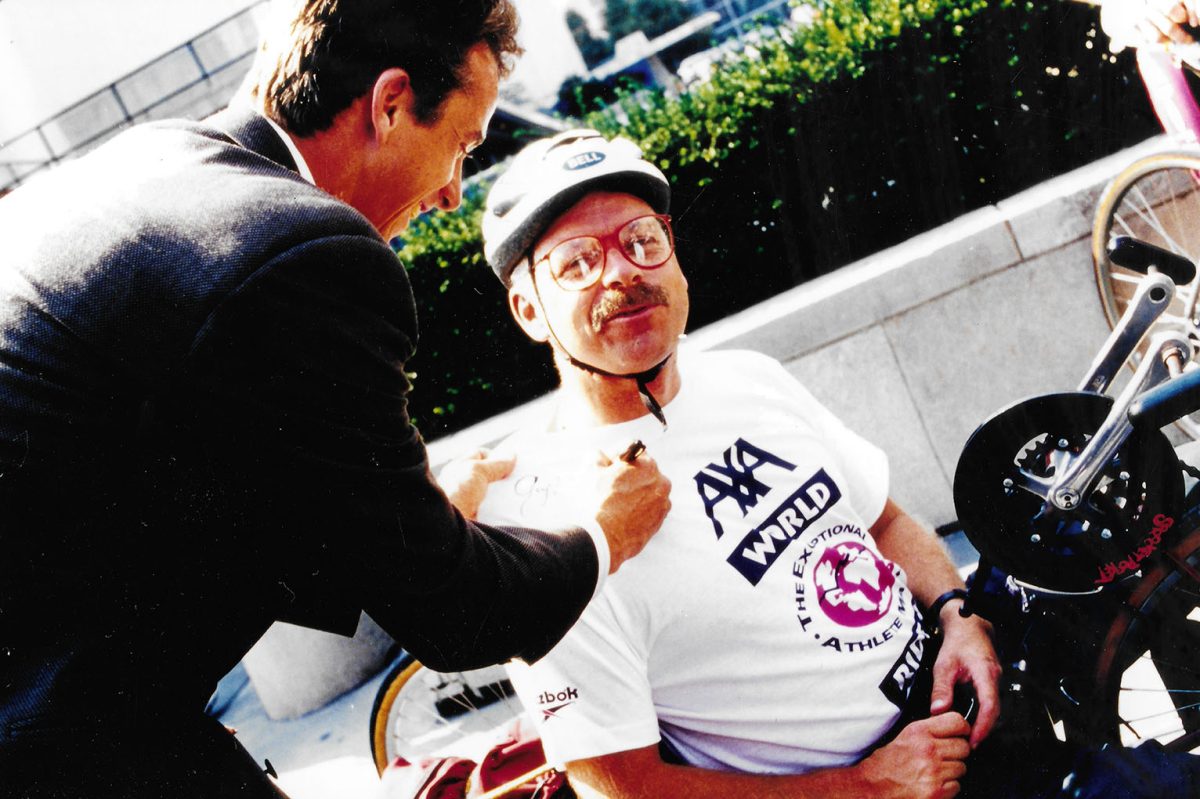
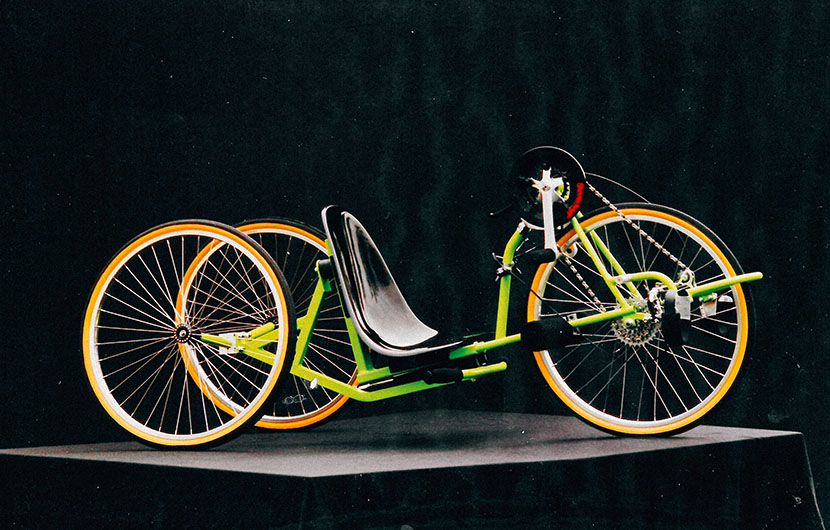
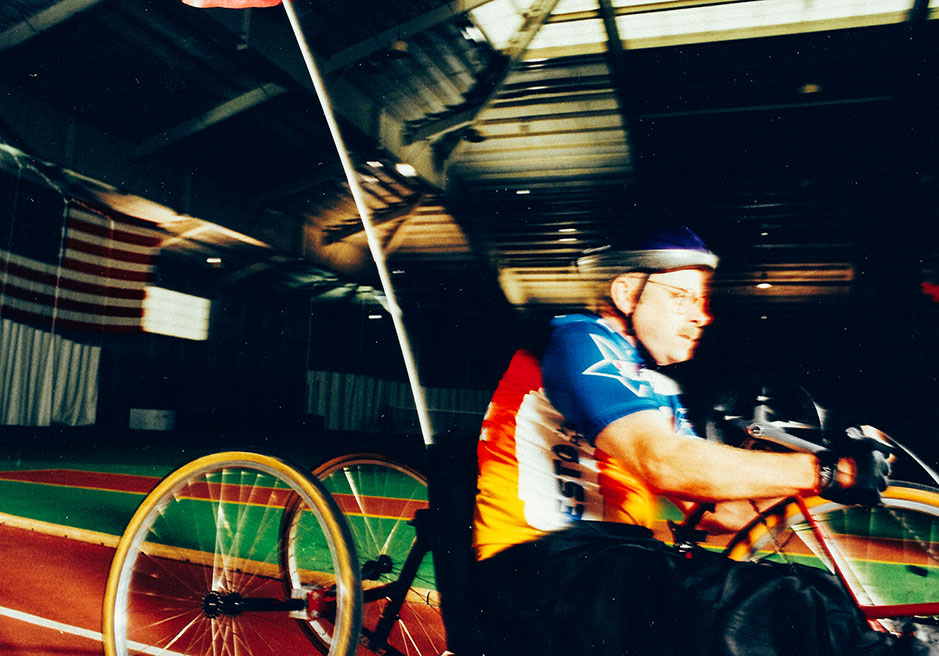
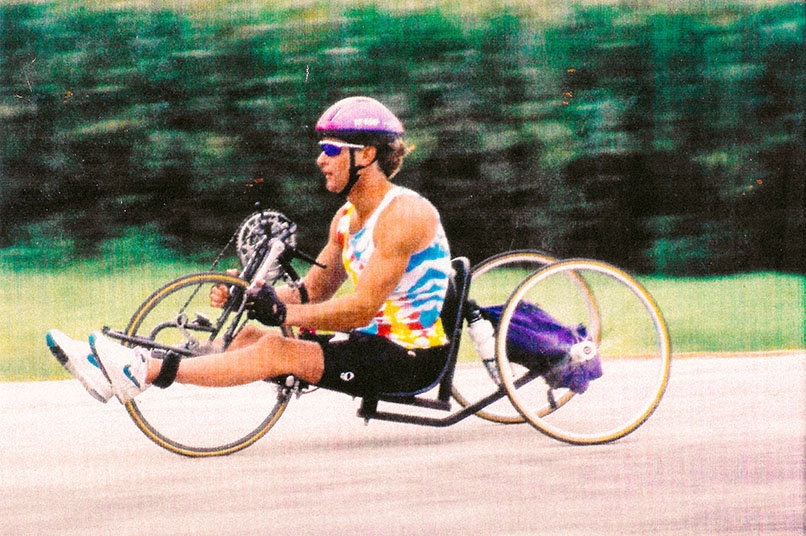
If you’ve ever heard someone mention a “handcycler” and found yourself scratching your head, you’re not alone. While cycling is a widely popular activity, the world of adaptive cycling—especially handcycling—can feel unfamiliar at first glance. In this article, we’ll break down exactly what a handcycler is, how it works, who uses it, and why it matters. Whether you’re exploring options for yourself or simply curious, this guide has you covered. What Is a Handcycler? A handcycler is someone who rides a handcycle—an adaptive cycle powered by the arms instead of the legs. Unlike traditional bicycles or tricycles, handcycles are specifically designed for individuals with limited or no use of their lower body, offering them a way to experience the freedom and exhilaration of cycling. Handcyclers use their upper body—arms, shoulders, and core—to propel and steer the bike. The physical layout of handcycles varies, but most feature three wheels (two in the rear and one in front), and the drivetrain is operated by hand cranks rather than pedals. Handcycler vs. Handcycle: Clearing Up the Terminology It’s easy to get confused between the terms, so let’s clarify: – A handcycle is the actual equipment—the three-wheeled, arm-powered vehicle you ride. – A handcycler is the person riding it. Just as a cyclist rides a bicycle, a handcycler rides a handcycle. Who Becomes a Handcycler? Handcycling is often embraced by: – Individuals with spinal cord injuries (such as paraplegia) – Amputees – People with neuromuscular conditions or mobility challenges – Adaptive sports enthusiasts and para-athletes – Veterans and active rehabilitation participants But it’s not limited to rehabilitation or necessity. Many people become handcyclers for the pure thrill of riding, fitness benefits, and outdoor adventure. It’s an inclusive form of exercise that fosters independence and joy. How Does a Handcycle Work? Here’s how handcycles differ in their configuration: – Power source: Handcycles are driven using a set of hand cranks attached to a front-mounted chainring. Riders operate the cranks with their arms. – Steering methods: *Fork-steer handcycles are steered by turning the entire front wheel assembly, similar to a regular bicycle fork. *Lean-to-steer handcycles, like those designed by Freedom Ryder, use body leaning to navigate curves and turns—offering more dynamic control and improving stability at higher speeds. – Seating: Most handcycles have a reclined, low-seat configuration to allow for better aerodynamics, comfort, and balance. – Drivetrain: Gears and derailleurs help riders adjust to different speeds and terrains. – Braking system: Hand-operated brakes add safety and precision during descents and in tight spaces. Many models today also include electric assist motors, empowering handcyclers to go farther and climb steeper inclines. One such innovation is the E1 Electric Handcycle, which combines manual power with an electric boost—ideal for riders seeking versatility without compromising performance. The Evolution of Handcycling Handcycling has come a long way from its early prototypes. In the 1980s, the idea of using a three-wheeled platform powered by the arms was still in its infancy. But in 1984, Freedom Ryder stepped in to transform that space. Starting as Brike International Ltd., the team developed a handcycle that wasn’t based on a wheelchair or an add-on to existing cycle frames. Instead, it was built from the ground up to serve one purpose: give people an exhilarating, dynamic cycling experience—regardless of lower-body mobility. They pioneered the use of lean-to-steer design, which remains a key innovation in modern adaptive cycling. Unlike fork-steered handcycles, their design emulated skiing or motorcycling mechanics—tight, responsive turns and rock-steady handling. Today, Freedom Ryder continues to lead the field with state-of-the-art handcycles that prioritize speed, safety, and sheer riding joy. Health and Lifestyle Benefits for Handcyclers Becoming a handcycler isn’t just about mobility—it can be a gateway to healthier living, community engagement, and mental well-being. According to this overview on the benefits of handcycling, riding a handcycle may help: – Improve cardiovascular endurance – Build upper-body strength – Support weight management – Reduce stress and enhance mood – Increase social interaction and independence Depending on your goals, handcycling can serve as a gentle rehab tool or a high-performance athletic discipline. Adaptive races, handcycling marathons, and group rides are just a few of the ways people plug into the community. Types of Handcycles for Different Handcyclers Not all handcycles are created equal. Matching a rider’s needs to the right frame and control system is key. Common Types of Handcycles: – Recreational Handcycles – For casual riders and beginners – Performance Handcycles – Built for racing, speed, or endurance rides – Off-road Handcycles – Equipped for trails and rugged terrain – Electric Assist Handcycles – Like the E1 Electric Handcycle, these offer power boost and accessibility for longer rides Choosing the Right Handcycle Key factors to consider include: – Level of core strength and trunk stability – Intended use (leisure, rehab, racing, etc.) – Steering preference (fork-steer vs. lean-to-steer) – Terrain and distance expectations If you’re currently exploring options, visit Freedom Ryder’s adaptive handcycles shop to see the full lineup of performance-driven models. Handcycler FAQs If you’re still curious—or if you’re thinking about becoming a handcycler yourself—stop by our handcycle FAQs page, where we answer some of the most common questions about gear, fit, terrain compatibility, and more. Conclusion: Freedom Meets Performance Handcycling isn’t just cycling with your hands. For many, it’s a pathway to rediscover freedom, adventure, and health—on their own terms. A handcycler is someone who refuses to be defined by mobility limitations, instead choosing to explore the world with strength, determination, and high-performance adaptive gear. At Freedom Ryder, we’ve spent decades perfecting the machine that makes that journey possible. Whether you’re looking for your first handcycle or upgrading to a model with electric assist, we’re here to help you ride farther and faster—with confidence. If you’re ready to see what the open road looks like through the eyes (and arms) of a handcycler, start by exploring our innovative lineup in our adaptive handcycles shop—and give us a call if you have questions. The adventure is just beginning.
Read More