


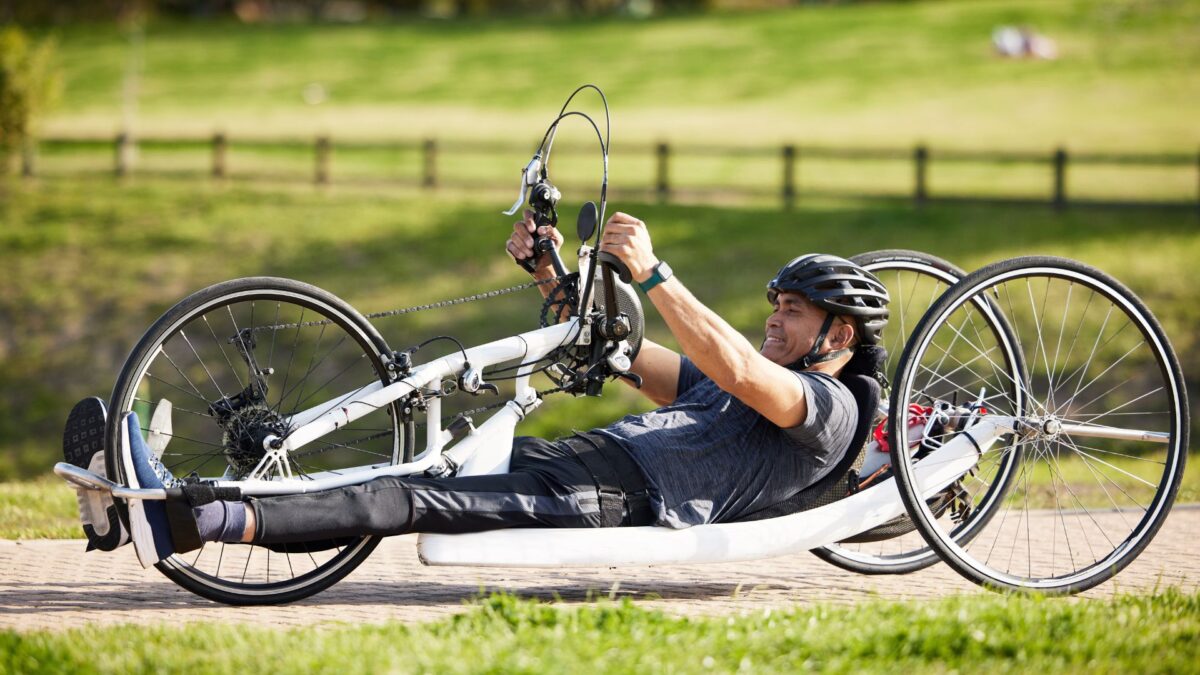
Hand Cycling for Rehabilitation After Spinal Cord Injury
November 25, 2025
Rehabilitation after a spinal cord injury is about more than physical recovery—it’s about reclaiming movement, independence, and joy. For many individuals living with spinal cord injuries, especially paraplegics or those with limited use of their lower body, hand cycling offers a practical, empowering, and even exhilarating path to physical and emotional wellness.
Let’s dive into how hand cycling fits into spinal cord injury rehab—and how innovative solutions like those from Freedom Ryder are helping people shift from surviving to thriving.
Why Hand Cycling Matters in Spinal Cord Injury Rehabilitation
When a spinal cord injury alters mobility, traditional rehab often focuses on retraining the body to function within those new limits. But exercise, blood flow, and cardiovascular health remain vital—especially when muscles below the injury level are no longer in use.
Hand cycling fills this rehab gap in a way that’s accessible, adaptive, and deeply motivating. It encourages:
- – Cardiovascular fitness and upper-body strength without overstraining joints.
- – Improved mental health, as movement fosters improved mood and reduces anxiety.
- – Reconnection with outdoor environments, promoting social engagement and independence.
- – Increased self-efficacy, as riders gain confidence in their body’s abilities.
What Is Hand Cycling?
The Basics
A handcycle is a three-wheeled cycle powered by the arms instead of the legs. It typically includes:
- – A reclining or semi-upright seat
- – A front-mounted hand crank
- – Gears, brakes, and often a sophisticated steering mechanism
It’s designed to accommodate individuals with lower-body disabilities while still offering a real, dynamic cycling experience.
Hand Cycles vs. Wheelchair Attachment Devices
There’s a difference between full handcycle bikes and wheelchair add-ons like hand-driven assist wheels. While both increase independence, full hand cycles—like those from Freedom Ryder—deliver more speed, better control, and a smoother ride. They also facilitate long-distance riding, climbing hills, and technical turns far more efficiently.
Key Benefits of Hand Cycling for Spinal Cord Injury Patients
When integrated into rehab routines, hand cycling isn’t just an alternative—it’s a core component of physical and emotional recovery.
Builds Upper-Body Strength
After a spinal cord injury, daily movement depends heavily on the arms and shoulders. Hand cycling reinforces these muscle groups in a way that supports both life and leisure. Over time, this helps users develop the strength they need for tasks like lifting out of a wheelchair, transferring between surfaces, and handling daily responsibilities.
Enhances Cardiovascular and Respiratory Health
Sudden physical inactivity can affect heart and lung function. Hand cycling mimics natural aerobic exercise, encouraging:
- – Better circulation
- – Increased lung capacity
- – Reduced risk of blood clots or pressure sores
Especially for individuals in long-term wheelchairs, it can serve as one of the primary cardiovascular outlets.
Supports Neuromuscular Re-patterning
Even those with partial spinal injuries may see improvements in muscle function and coordination. Sustained cycling movement—a rhythmic, patterned activity—encourages neural retraining and synaptic plasticity.
Reduces Risk of Secondary Health Conditions
Spinal cord injury patients are at higher risk for secondary complications like:
- – Obesity
- – Diabetes
- – Osteoporosis
- – Depression
Hand cycling helps mitigate these risks by promoting daily activity, metabolism support, and a release of feel-good endorphins.
Rebuilds Confidence and Community
Let’s not overlook the social wins of adaptive cycling. Whether it’s joining a local adaptive sports group or just getting outside on a weekend ride with friends, hand cycling reconnects people with their communities—often in ways they’d thought were lost.
Choosing the Right Handcycle After an Injury
In rehabilitation or beyond, not all handcycles are created equal. For therapy to be safe and effective, it has to suit the rider. That space—where design meets functionality—is where Freedom Ryder truly shines.
Freedom Ryder’s Lean-to-Steer Advantage
Unlike traditional fork-steered cycles, Freedom Ryder developed an intuitive lean-to-steer system. The idea? Mimic the dynamics of sports like skiing to create smoother cornering and better turns—even at speed.
This design offers clear benefits for rehab:
- – Greater control, especially for users with limited core strength
- – Improved torque and traction, making uphill and uneven terrain more manageable
- – Efficient energy conversion, reducing user fatigue
The low seat design adds stability and a thrill factor you won’t find in stand-up alternatives.
A Closer Look: The E1 Electric Handcycle
For those starting their post-injury cycling journey—or simply looking to go further with less strain—the E1 Electric Handcycle changes the game.
With a 500-watt motor and a long-range battery (48v, 14 amp-hour), this ride balances manual exercise with advanced electric assist. That means:
- – Assistance on hills and longer distances
- – Adjustable power settings to match energy levels
- – The ability to keep up with friends or groups, regardless of terrain
- – Less worry about exhaustion or getting stranded
Real freedom starts with tools that adapt to your needs, not the other way around.
Incorporating Hand Cycling Into Your Rehab Process
Hand cycling shouldn’t feel like an optional extra—it can integrate directly into rehab goals.
Here’s how:
Work With Your Doctor or Therapist
Before starting, consult a certified physical or recreational therapist familiar with spinal cord injuries. They can assess your:
- – Range of motion
- – Muscular capacity
- – Injury level and balance
- – Cardiovascular safety
This ensures your hand cycling supports, rather than strains, your current recovery phase.
Begin Gradually
Start with flat terrain and low resistance to give your arms time to adapt. As strength builds, introduce:
- – Hilly routes
- – Variable weather conditions
- – Longer duration rides
Be patient. Like any fitness practice, consistency yields the best results over time.
Track Progress
Use apps, fitness watches, or even a notebook to log:
- – Distance and duration
- – Heart rate levels
- – Range of motion and fatigue
Progress tracking celebrates small wins—and motivates you to keep showing up.
Real Riders, Real Success
Freedom Ryder handcycles aren’t just for leisure—they’ve helped athletes break records and people reclaim lifestyles.
Whether you’re chasing your first ride post-injury or your first century-mile event, the right equipment makes a world of difference.
Where to Get Started
If you’re new to adaptive cycling or researching options for yourself or a loved one, Freedom Ryder offers expert-made, field-tested options.
Visit the Freedom Ryder online store to explore all available models, including equipment for various levels of trunk control and mobility.
Curious about setup, fit, or usage questions? Browse our handcycle FAQs for detailed guidance that’s actually helpful.
Contact the team directly at (503)-692-1029 if you’d like help choosing a cycle that suits your rehab path.
Conclusion: Reclaim Movement, Reclaim Freedom
Recovery after a spinal cord injury is never straightforward—but moments of joy, progress, and independence are real and attainable. For many individuals, hand cycling is that spark.
With innovative designs like the E1 Electric Handcycle and Freedom Ryder’s commitment to adaptive mobility, you’re not just investing in a piece of equipment. You’re investing in movement, health, and possibility.
So if you’ve been searching for a way to get back out there—on your terms, in your time—know this: the ride is waiting. You just have to grab the handles and go. Contact us today.


