


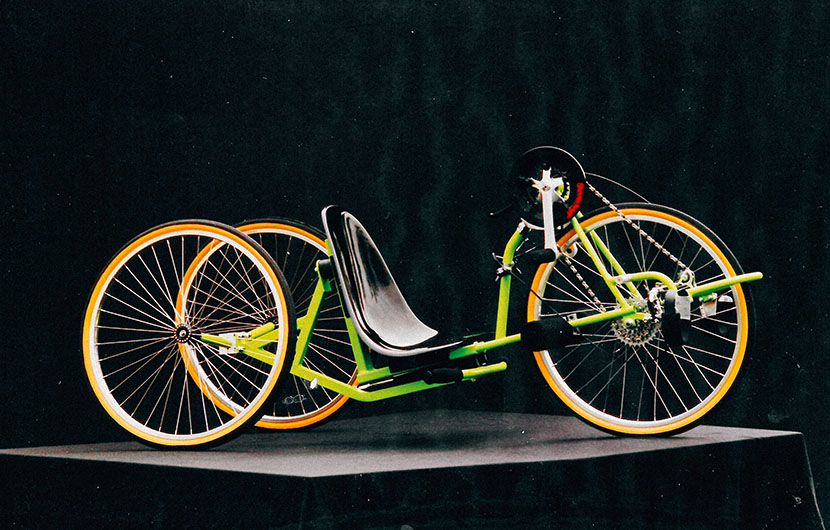
What Is a Handcycle? Exploring the Arm-Powered Bike That Changes Lives
September 24, 2025
For many people, riding a bicycle is one of life’s simple pleasures. But for individuals with mobility challenges, it can feel like an opportunity they’ve lost—something out of reach. That’s where the handcycle comes in: a powerful, adaptive innovation that’s giving riders a second chance at freedom, fitness, and fun.
At its core, a handcycle is a bike powered not by your legs, but by your arms. But it’s so much more than that. It represents independence. It changes lives—and few companies understand this better than Freedom Ryder, the trailblazing creator of high-performance handcycles since 1984.
Let’s break it all down—what a handcycle really is, who it’s for, how it works, and why it’s become a life-changing tool for thousands of people around the world.
What Is a Handcycle?
A handcycle is a type of bicycle that you power using your arms rather than your legs. Instead of pedals, there are hand cranks. Riders sit either upright or in a reclining position, and steer using various control systems—some by turning the front wheel (fork-steer), others by leaning the body (lean-to-steer).
Handcycles are most commonly used by people with lower-body disabilities, including paraplegia, amputations, or neurological conditions that affect leg function. But they’re not only for athletes or people in rehabilitation—handcycles support daily riders, weekend explorers, and competitive racers alike.
How Does a Handcycle Work?
While designs vary, the basic components of a handcycle include:
– Hand cranks: Replacing pedals, these are turned by the rider’s arms to generate momentum.
– Three-wheel frame: Most handcycles have two rear wheels and one front wheel for stability.
– Seating system: Depending on core strength and mobility, riders choose between upright or reclined seating.
– Steering: Systems vary—some handcycles use traditional steering, while others (like the
Freedom Ryder) use a distinctive lean-to-steer design that mimics skiing or motorcycling.
Some handcycles, like the E1 Electric Handcycle, even offer electric assist, helping riders go further and tackle hills more easily.
Who Uses a Handcycle?
While handcycles are commonly associated with adaptive sports or physical therapy, their uses are much broader. They serve:
– Paraplegics and amputees looking to stay active and independent
– People with cerebral palsy, MS, or spinal cord injuries
– Veterans and first responders recovering from injuries
– Anyone seeking an upper-body workout or alternative cycling experience
At Freedom Ryder, many customers come in thinking their cycling days are over. Once they try a handcycle, they realize that not only can they ride again—they can thrive.
The Freedom Ryder Difference
Freedom Ryder isn’t just another handcycle company. Since 1984, they’ve redefined what adaptive cycling can feel like.
Originally inspired by a three-wheeled scooter with body-lean steering, Freedom Ryder created the world’s first low-slung, high-performance handcycle. This allowed for:
– Better agility and speed on road or trail
– Increased stability through corners
– More natural feel, similar to skiing or motorcycle riding
And with the introduction of FRH models, Freedom Ryder addressed an important need: riders who have limited core or trunk control. These models deliver unbeatable control, support, and adjustability for a wider range of riders.
Lean-to-Steer: What Makes It Special?
One of the hallmarks of a Freedom Ryder is the lean-to-steer technology. If you’ve never heard of that before, here’s how it works in simple terms:
Instead of steering by turning handlebars like on a regular bike, you steer by shifting your body weight. Think snowboarding, surfing, or skiing. This has several benefits:
– It maintains your momentum in turns
– It’s more intuitive (once you get used to it)
– It reduces strain on the shoulders and arms
– It mimics the responsive feel of carving on a slope or twisting through corners
Most importantly? It makes riding thrilling, stable, and just plain fun.
Electric Assist: Expanding What’s Possible
Many riders want to go farther, climb steeper hills, or ride for longer periods—but upper-body strength has its limits. That’s where electric assist models like the E1 Electric Handcycle come in.
Electric handcycles offer:
– Powerful 500-watt motors
– Rechargeable 48v batteries
– Customizable pedal assist modes
This allows riders to cruise confidently, conquer difficult terrain, or simply extend their adventure. It’s not about replacing your effort—it’s about amplifying your freedom.
Choosing the Right Handcycle for You
Finding the right adaptive bike depends on your body, your goals, and your riding style.
Freedom Ryder’s team works closely with every rider to determine what fits best based on:
– Mobility and trunk control
– Seating preferences (upright vs. recumbent)
– Intended use (recreation, racing, commuting)
– Desire for electric vs. manual effort
While there are other options out there—like fork-steered or wheelchair-based handcycles—the signature lean-to-steer design offers advantages in:
– Handling
– Speed
– Stability
– Enjoyment
You can browse Freedom Ryder’s full range of bikes in their adaptive handcycles shop.
Can Anyone Ride a Handcycle?
In most cases, yes. Even if someone has limited core strength or reduced upper-body mobility, there are configurations to help. With proper support systems and custom adaptations, many riders with complex needs enjoy handcycling too.
That said, every case is unique. Freedom Ryder encourages new riders to reach out directly for guidance, fitting information, and riding tips.
You can also consult their handcycle frequently asked questions for more in-depth info on what


