


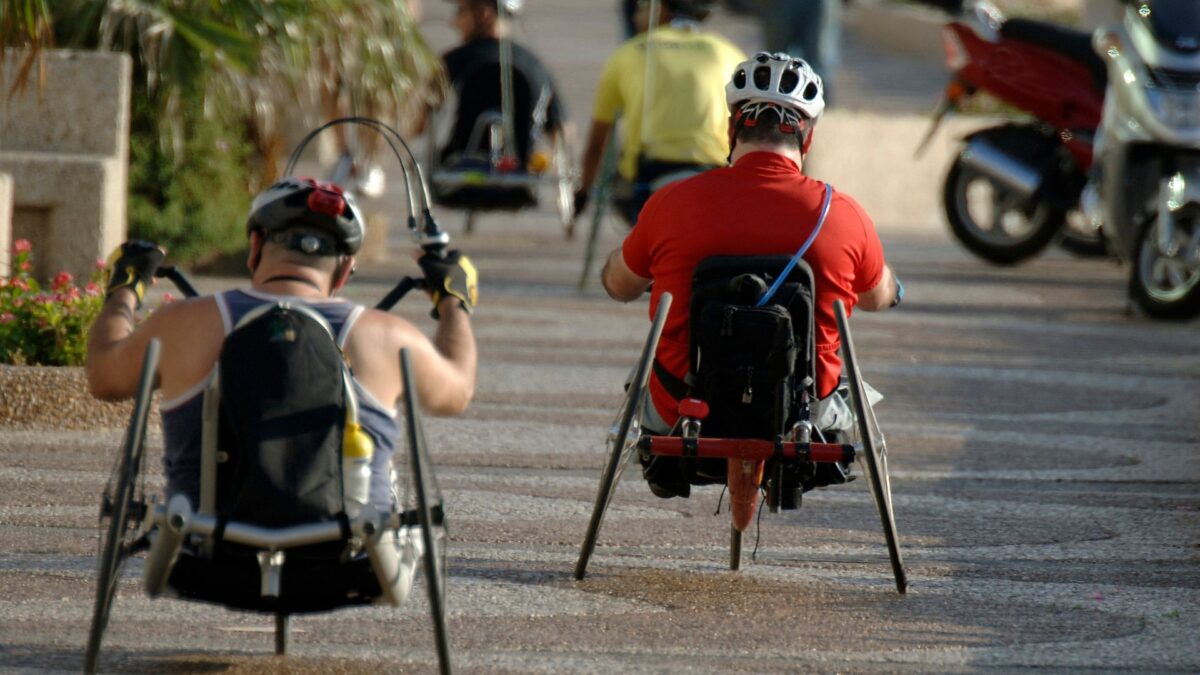
Hand Cycling Benefits for Cardiovascular Health
November 14, 2025
If you’re looking for an engaging way to stay active that’s also friendly to those with mobility challenges, you may be wondering if hand cycling is the right choice—especially when it comes to improving heart health. The short answer? Yes, absolutely. Hand cycling isn’t just a fun and freeing activity; it’s also a heart-healthy endurance exercise that can strengthen your cardiovascular system, improve circulation, and support long-term wellness.
At Freedom Ryder, we’ve spent decades designing performance-grade handcycles that help people rediscover movement after injury, illness, or paralysis. But the physical payoffs of hand cycling extend far beyond speed. Let’s take a deeper look at how hand cycling supports cardiovascular health and why it might be one of the most beneficial aerobic workouts available to adaptive athletes.
What Is Hand Cycling and Who Is It For?
Hand cycling is a form of adaptive cycling that replaces foot pedals with hand cranks, allowing you to power the bike with your upper body. It’s used by people with mobility issues affecting their legs or trunk, including paraplegics, amputees, and others living with conditions like multiple sclerosis or spinal cord injury.
Unlike traditional wheelchairs or stationary equipment, handcycles—especially models like those from Freedom Ryder—are designed for dynamic movement, speed, and outdoor exploration. Whether you’re cruising your neighborhood or pushing your personal record on a closed course, hand cycling provides a unique combination of fitness, freedom, and fun.
Why Cardiovascular Health Matters—For Everyone
Before diving into the benefits specific to hand cycling, it helps to understand why cardiovascular health is so essential, especially for people facing mobility impairments.
Your cardiovascular system includes your heart, lungs, and blood vessels. It’s responsible for delivering oxygen and nutrients to muscles and organs. Good cardiovascular health means:
- – More stamina and energy during daily activities
- – Better blood pressure and circulation
- – Reduced risk of heart disease, stroke, and diabetes
- – Improved immune response and mood regulation
- – Healthier gut-brain axis, which influences metabolism, memory, and digestion.
For anyone, regular aerobic exercise is key to maintaining a strong cardiovascular system. For wheelchair users or those with lower-limb mobility issues, hand cycling can become a central tool for achieving this goal.
How Hand Cycling Improves Cardiovascular Health
It Provides Full Upper-Body Cardio Training
Hand cycling primarily strengthens your arms, shoulders, chest, and upper back, but the aerobic benefits go far beyond muscles. Just like running or biking with your legs, the repetitive motion and sustained effort of hand cycling:
- – Increases heart rate
- – Improves oxygen utilization (VO₂ max)
- – Enhances lung capacity over time
These markers are essential for boosting cardiovascular endurance. Many hand cyclists notice that as they build distance, they also build heart and lung strength—helping them feel less fatigued during everyday activity.
It Boosts Circulation and Lowers Blood Pressure
Consistent hand cycling also stimulates blood flow throughout the body—even to areas that aren’t actively engaged in cranking. That’s crucial for people with spinal cord injuries or impaired leg movement, where blood flow to the lower extremities can be reduced.
Better circulation can:
- – Lower the risk of blood clots
- – Help regulate blood pressure
- – Support heart muscle health
Combined with a healthy diet and doctor-approved care, hand cycling serves as an effective lifestyle component in managing hypertension and circulation-related conditions.
It Promotes a Healthy Heart Rate and Reduces Resting BPM
One of the key indicators of cardiovascular health is your resting heart rate. Over time, aerobic activity like hand cycling trains the heart to pump blood more efficiently, reducing the need for it to work overtime when you’re at rest.
Studies have shown that upper-body aerobic training can offer comparable heart benefits to leg-based cardio when performed regularly. That means you don’t need to run marathons or hit the treadmill to improve cardio health—hand cycling can offer a meaningful alternative.
It Engages Core Muscles and Trunk Stability
Good cardiovascular health isn’t just about what’s happening in your heart and lungs—it’s also about efficiency and form. Hand cycling, especially models like the Freedom Ryder FRH variant, promotes core engagement that plays a role in balance and respiratory support.
Poor trunk stability can contribute to poor posture and compromised lung function over time.
Hand cycling helps maintain muscle tone and encourages better diaphragmatic breathing, which supports both cardio and respiratory performance.
Success Stories: Hand Cycling in Action
We’ve seen firsthand how hand cycling transforms lives—not just in terms of performance, but holistic wellbeing. Riders who’ve struggled with sedentary routines due to injuries or conditions like multiple sclerosis often report:
- – Greater energy and sleep quality
- – Better blood sugar control
- – Weight management improvements
- – Emotional and mental health gains from being outside and active
It’s not just about crossing finish lines. For most, it’s about building a lifestyle where health feels accessible and movement is joyful again.
Why Freedom Ryder Handcycles Make a Difference
At Freedom Ryder, we’ve been pioneers in adaptive cycling since 1984. Our handcycles differ from many models on the market thanks to our patented lean-to-steer technology. Unlike traditional fork-steered designs, our handcycles offer:
- Better cornering stability
- More efficient speed control
- A more natural, intuitive handling feel—almost like skiing or motorcycling
This design doesn’t just improve the ride—it impacts how safely and confidently riders can push their cardiovascular limits.
For those ready to tackle hills or longer distances without compromising stamina, our E1 Electric Handcycle combines pedal assist with a sleek, high-performance frame—making it easier to integrate heart-healthy workouts into your everyday schedule without fear of terrain or fatigue holding you back.
Want to explore more options? Check out the Freedom Ryder handcycle shop to see which model fits your goals.
Tips for Starting a Heart-Healthy Hand Cycling Routine
If you’re new to hand cycling—or returning after a long break—start slow and build up gradually.
Here’s how to do it safely and progressively:
- Begin with short sessions: Aim for 15–20 minutes, 3 times a week. Increase duration as your stamina improves.
- Focus on steady pacing: Keep your effort level at a conversational pace where breathing is heavier but not gasping.
- Mix up terrain: Flat routes are great starters, but gentle hills can increase cardiovascular challenge.
- Stay hydrated and stretch pre/post ride, especially arms, shoulders, and back.
It also helps to work with a health professional if you have any underlying conditions. Your doctor can help determine the target heart rate zone that’s best for you during exercise.
Frequently Asked Questions About Hand Cycling and Heart Health
Is hand cycling effective cardio?
Yes. Regular hand cycling qualifies as moderate to vigorous aerobic exercise, especially if you’re riding for 30 minutes or more at a sustainable pace.
Can people with spinal cord injuries benefit from hand cycling?
Absolutely. Even with limited lower-limb function, many individuals with SCI experience improved heart health, circulation, and even metabolic regulation from consistent handcycling.
Is electric assist "cheating" when it comes to cardiovascular benefits?
Not at all. Electric-assist models like the E1 Electric Handcycle still require manual input—you’re pedaling with assistance, not replacing the workout. For many, it enables longer, more consistent rides, leading to better cardiovascular outcomes over time.
You can find more answers on our adaptive cycling FAQs.
Conclusion: Your Heart Will Thank You
Cardiovascular health is critical—whether you’re an elite athlete or someone looking to regain mobility and energy after injury. Hand cycling offers an accessible, fun, and highly effective way to strengthen your heart, boost stamina, and improve your overall quality of life.
At Freedom Ryder, we believe adaptive cycling should be empowering—not intimidating. That’s why our handcycles are built for performance and pleasure, encouraging consistency in your workout routine and joy on the road.
Now is the best time to take back your fitness journey. Whether you’re shopping for your first handcycle or expanding into electric-assist terrain, let us help you move better, feel stronger, and live freer.
Explore handcycle options now in the Freedom Ryder handcycle shop, or reach out to chat with one of our experts.
Your heart will thank you.


